Best Practices for Marine Engineering Projects
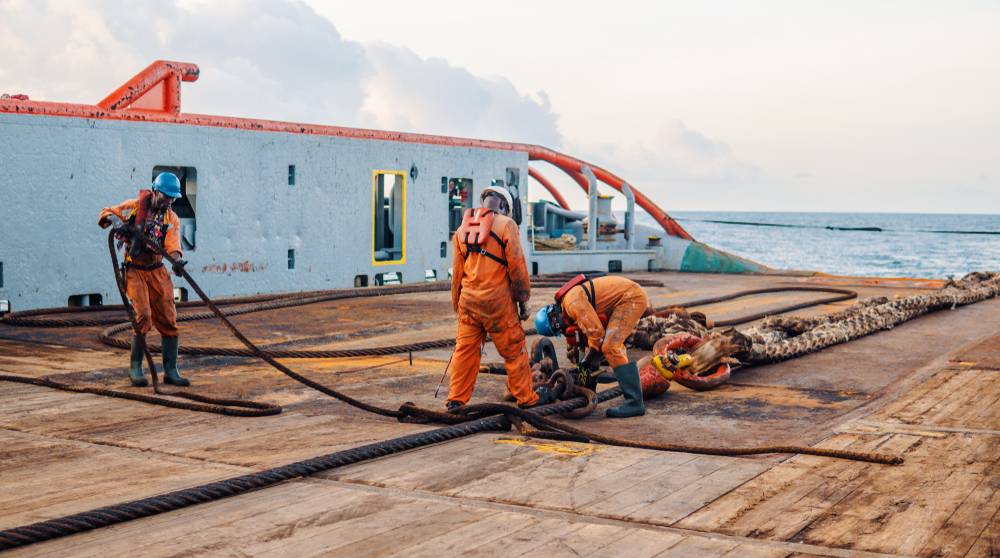
Safety is a critical concern in offshore engineering and marine operations. With complex working environments, extreme weather conditions, and high-risk activities such as drilling, vessel construction, and subsea installations, ensuring the safety of personnel and assets is a top priority. In this post, we explore the best safety practices that are transforming offshore marine engineering projects.
1. Understanding the Risks in Offshore Engineering
Offshore projects come with unique challenges that require strict safety protocols, including:
🔹 Harsh Weather Conditions – High winds, rough seas, and unpredictable weather increase risks for personnel and equipment.
🔹 Equipment & Machinery Hazards – Heavy machinery, cranes, and dynamic positioning systems can cause accidents if not properly maintained.
🔹 Fire & Explosion Risks – Offshore oil and gas operations involve flammable materials that require strict fire prevention measures.
🔹 Diving & Subsea Operations – Deepwater diving and subsea construction involve high-pressure environments, requiring specialized safety protocols.
2. Key Offshore Safety Best Practices
A. Robust Safety Training & Certifications
🛠️ Workers must undergo rigorous training, including Basic Offshore Safety Induction and Emergency Training (BOSIET), fire response training, and survival skills. Regular drills and simulations help prepare teams for emergency scenarios.
B. Advanced Real-Time Monitoring Systems
📡 Digital IoT-enabled sensors and AI-driven predictive analytics can monitor:
✅ Structural integrity of offshore rigs and platforms
✅ Real-time weather conditions to prevent accidents
✅ Equipment performance to reduce failure risks
C. Personal Protective Equipment (PPE) & Safety Gear
🦺 Using advanced fire-resistant clothing, self-contained breathing apparatus (SCBA), and wearable location trackers improves worker safety in hazardous conditions.
D. Emergency Evacuation Plans & Response Teams
🚨 Every offshore facility must have emergency evacuation protocols, including:
- Lifeboat deployment training
- Helicopter evacuation plans
- Medical emergency response teams onboard
E. Compliance with International Safety Standards
✔ Offshore engineering firms must comply with global safety regulations, including:
- International Maritime Organization (IMO) standards
- Occupational Safety and Health Administration (OSHA) requirements
- International Safety Management (ISM) Code
3. The Role of Technology in Offshore Safety
🔹 Drones & ROVs (Remotely Operated Vehicles) – Used for remote inspections of offshore structures, reducing human exposure to risky environments.
🔹 AI-Powered Risk Assessments – AI models analyze historical accident data to predict and prevent future safety incidents.
🔹 Wearable Safety Tech – Smart helmets with AR technology provide real-time instructions to workers during maintenance tasks.
4. Future of Offshore Safety
As offshore operations continue to evolve, investing in cutting-edge safety solutions, AI-driven monitoring, and regulatory compliance will be crucial to reducing risks and enhancing efficiency. Rossi Marine Energy is committed to integrating the latest safety innovations to ensure a secure and accident-free marine engineering environment.